



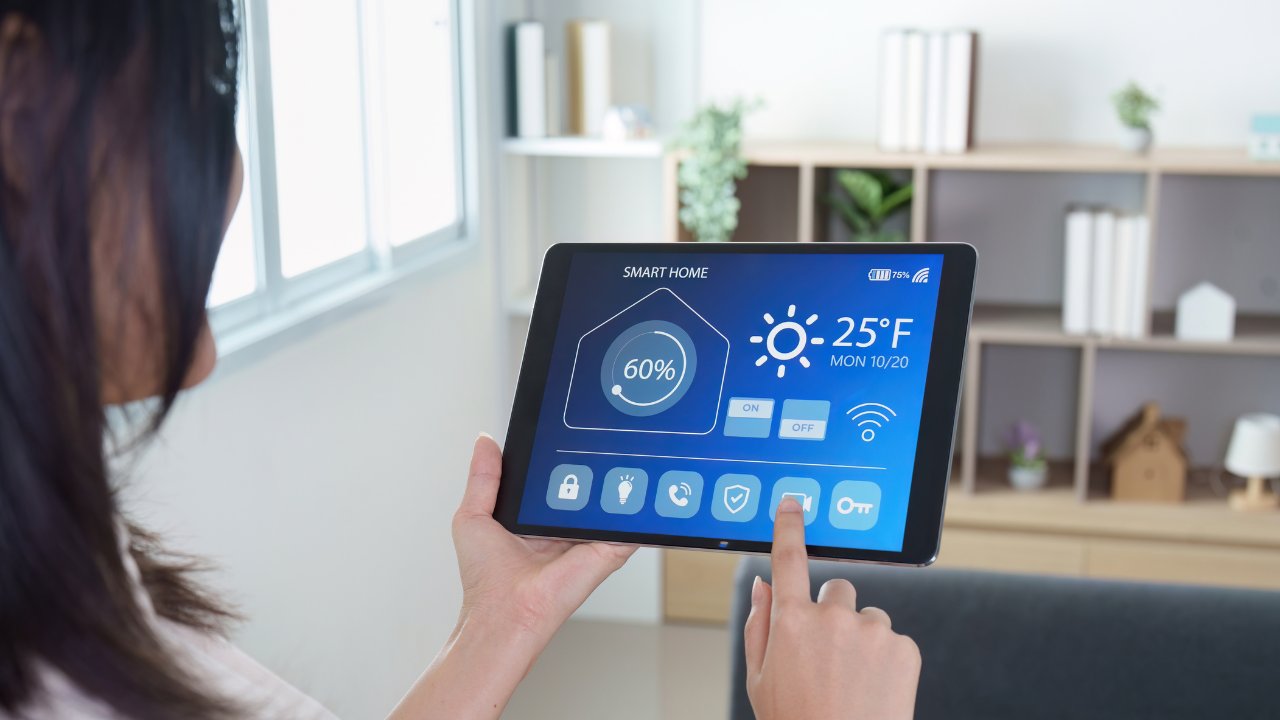
We live in a time where homes are not just made of walls and windows. Today, our living spaces are smart, stylish, and deeply personal. Imagine walking into a room where the lights adjust to your mood, the curtains open at sunrise without lifting a finger, and your mirror gives you the weather forecast while you brush your teeth. Sounds like a dream? It’s real. This is what happens when smart home technology meets modern interior design.
In the world of design, looks still matter—but now, how your space works matters just as much. The idea of “home sweet home” is evolving. It’s not just about decoration anymore; it’s about designing a lifestyle that blends comfort, function, and future-ready tech—all in a stylish way.
What Is a Smart Home?
Let’s begin with the basics. A smart home is one that uses devices connected to the internet or a network. These devices include things like smart lights, thermostats, security cameras, voice assistants, automated curtains, and smart kitchen appliances. You can control them using your smartphone, voice, or even by setting schedules.
Smart homes are built to save time, make everyday tasks easier, and enhance comfort. But the exciting part is—they don’t have to look like science labs. With the right planning, these devices can blend beautifully into your interior design.
Why Interior Design Must Evolve with Tech
Many people think interior design is only about picking colors, fabrics, or furniture. But in today’s world, it’s much more. Interior designers are now also thinking about where a smart speaker should go, how a wall-mounted smart TV fits into a gallery wall, or how hidden speakers can deliver sound without showing any wires.
It’s about blending form and function.
This shift is creating a new kind of home—a space that feels stylish and behaves smartly. And if you’re building a new home or renovating your space, this is the perfect time to think about how to include smart elements into your design plan.
Ways Smart Tech is Blending into Modern Interiors
1. Smart Lighting with Style
Lighting isn’t just about bulbs anymore. With smart lighting systems, you can change the brightness, tone, and even color of your lights through a phone app or voice assistant. This means your lights can match your mood—whether it’s a warm glow for a movie night or bright light for reading.
Designers often use layered smart lighting to create different moods throughout the day. You can also use motion sensors, dimmers, and smart switches that add both beauty and functionality to your home.
2. Voice-Controlled Curtains and Blinds
Motorized window treatments can open and close at specific times or when you give a command. They’re not only useful but look clean and modern. These automated curtains come in various fabrics and styles to suit any room design. This is a simple upgrade that makes a big difference in both comfort and aesthetics.
3. Hidden Technology
One of the biggest trends in design today is hiding the tech. Smart speakers are now designed to look like decor pieces. TVs can turn into digital art when not in use. Wireless charging pads are built into side tables. Even touch-control panels can be mounted inside drawers or behind mirrors.
This “invisible tech” concept makes sure that your space still looks warm and inviting without looking like a showroom of gadgets.
4. Smart Kitchens
Your kitchen can also be a smart and stylish space. Think of ovens you can control from your phone, fridges that alert you when you’re low on milk, or faucets that work with motion sensors. These tools not only make cooking easier but also keep your kitchen looking sleek and uncluttered.
Many homeowners are now choosing built-in appliances that save space and keep the kitchen design clean and modern.
5. Intelligent Bathrooms
Even bathrooms are getting smarter. Smart mirrors with built-in lights, weather updates, and Bluetooth speakers are now common. You can also add heated floors that turn on automatically in the winter, or smart showers that remember your water temperature preferences.
With the right design, all of this technology feels natural, not over-the-top.
Why This Matters
This shift towards smart interiors is more than just a trend. It reflects how we live today—busy, digital, and comfort-focused. We want homes that work for us, not just look good.
If you’re looking to create a space that fits your lifestyle and stands the test of time, integrating smart tech with modern design is the way to go.
With the help of a home interior designer in Lucknow, you can turn your regular home into a stylish, high-functioning space without losing its charm.
Things to Consider Before Going Smart
If you’re planning a smart home makeover, here are a few simple things to keep in mind:
-
Start small: Begin with a few devices like smart bulbs or a smart speaker.
-
Plan your layout: Work with a designer to see how and where tech will be placed.
-
Keep it stylish: Choose tech with modern, minimal designs.
-
Don’t overdo it: Balance tech with cozy design elements.
-
Focus on function: Choose smart products that actually improve your daily life.
Smart design doesn’t mean packing your house with devices. It means choosing the right tools to make your space feel good, look great, and work smarter.
The Inspidecor Touch
Design firms like Inspidecor are leading the way by mixing creativity and technology. They understand that today’s homeowners want beautiful spaces that also make life easier. Their design approach is about finding the sweet spot between form and function.
By working with the best interior designer service in Lucknow, you not only get expert advice on decor, colors, and materials but also guidance on integrating smart features that match your lifestyle.
Final Words: Your Home, But Smarter
A smart home doesn’t mean filling your space with gadgets. It means using technology in a way that blends with your style, improves comfort, and makes everyday life easier. From lights and locks to speakers and screens, smart tech is becoming a natural part of home design.
Design is still about how a space makes you feel. And when that space also listens to you, responds to your needs, and looks stunning—that’s when magic truly happens.
So, if you’re designing or renovating your space, think beyond just wallpapers and cushions. Think smart. Think stylish. And build a home that’s ready for today and tomorrow.
FAQs
Q1. Can I add smart features to my existing home without redesigning the whole space?
Yes, absolutely. Many smart home devices like lights, plugs, and speakers can be added to your current setup without changing the full interior design.
Q2. Will smart home tech ruin the look of my interiors?
Not at all. Today’s smart devices are designed to blend in with modern decor. Some are even made to look like decor pieces themselves.
Q3. Is smart home design expensive?
It depends on what features you choose. You can start small with budget-friendly devices and grow from there. A good designer will help you balance cost, function, and style.
Q4. Do I need a professional to design a smart home interior?
It helps! A home interior designer in Lucknow can plan everything—from wiring and placement to design style—making sure your smart setup is seamless and stylish.