



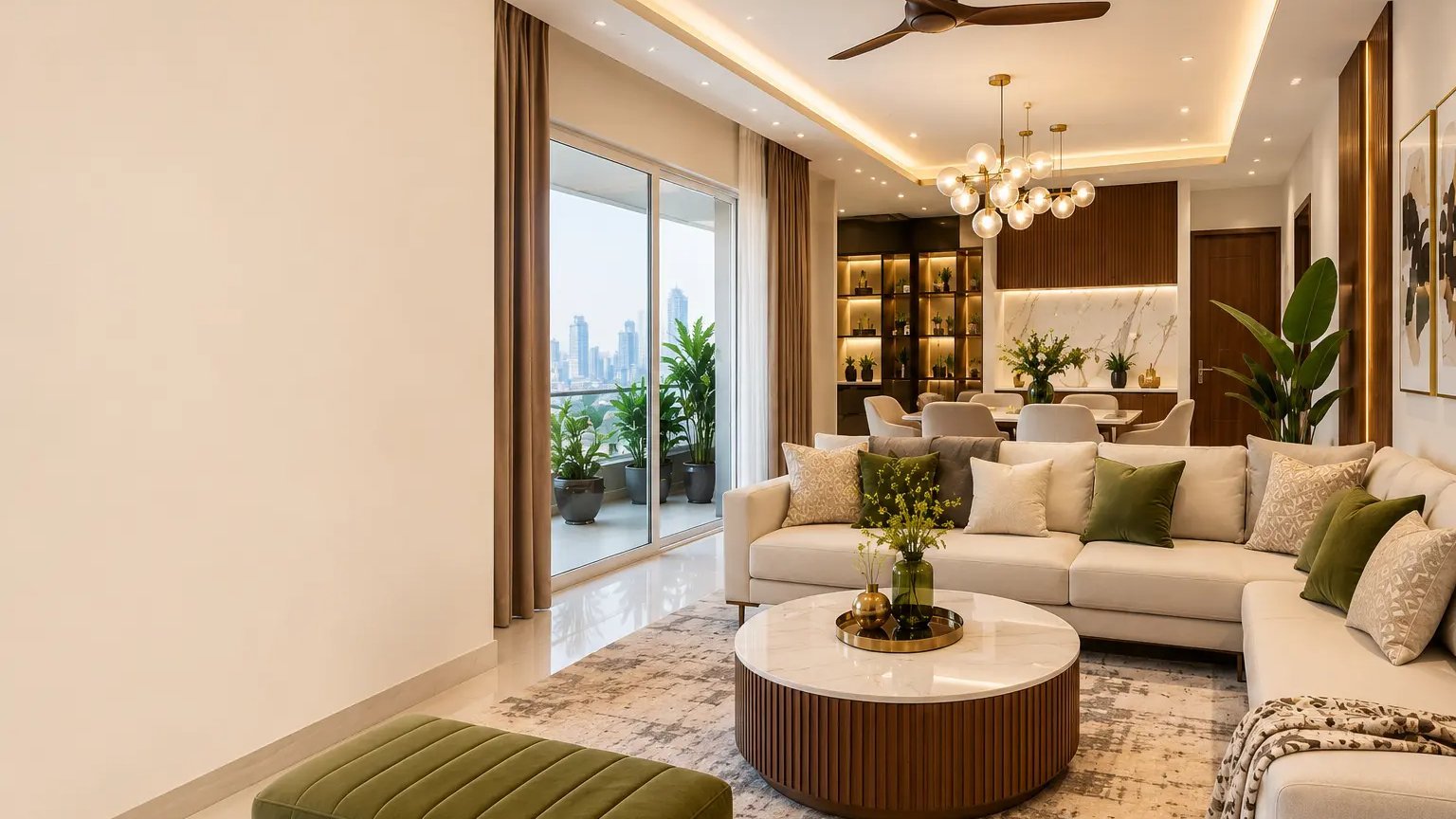
Introduction: Why Professional Interior Design Is the Smartest Investment Your Home Will Ever See
Your home is simultaneously your largest financial asset and your most personal living environment. How it looks, how it functions, and how it makes you feel every single day has a direct and measurable impact on your quality of life, your stress levels, your family relationships, and your sense of wellbeing.
Yet thousands of homeowners across India — from first-time flat buyers in Lucknow and Kanpur to experienced property investors in Delhi and Mumbai — approach interior design without the information they need to make genuinely confident decisions. They overpay for services they didn't understand. They underinvest in areas that would have transformed their space. They choose contractors over designers and spend months correcting mistakes that a professional would have prevented entirely.
This comprehensive guide is written to change that. Whether you are planning a complete home renovation, designing a new flat from scratch, updating a single room, or evaluating whether a professional interior designer is worth the fee — the answers ahead give you everything you need to make informed, confident, and cost-effective decisions.
Part 1: Understanding Interior Design — What It Is and Why It Matters
What does an interior designer actually do?
An interior designer plans, designs, and manages the transformation of interior spaces — from homes and offices to retail stores and hospitality venues. Services include space planning, colour consultation, furniture selection, lighting design, material and texture curation, false ceiling design, modular kitchen planning, and complete project execution including contractor coordination and site supervision.
What is the difference between an interior designer and an interior decorator?
An interior designer has formal training in space planning, structural understanding, and design principles — often handling renovations, layout changes, and technical specifications. An interior decorator focuses primarily on aesthetics — selecting colours, furniture, accessories, and soft furnishings without altering the structure. Most full-service interior design firms offer both capabilities under one roof.
Do I need an interior designer for a small apartment?
Small spaces benefit enormously from professional design — often more than large ones. A skilled interior designer maximises every square foot through smart space planning, multifunctional furniture, strategic lighting, and optical tricks that make compact spaces feel significantly larger, brighter, and more functional. The return on investment in a small apartment is often the highest of any project type.
What interior design styles are most popular in India right now?
Currently trending in Indian homes: Modern Contemporary (clean lines, neutral palettes), Wabi-Sabi (imperfect textures, natural materials), Biophilic Design (plants, natural wood, stone), Japandi (Japanese-Scandinavian fusion), Maximalist Luxury (rich colours, ornate details), and Neo-Classical Indian (traditional motifs with modern execution). Sustainable and eco-friendly design is also growing rapidly across all style categories.
How long does a complete home interior design project take?
Project timelines vary by scope: A single room redesign typically takes 4–8 weeks. A 2BHK full home interior typically takes 8–14 weeks. A 3BHK or larger home takes 14–24 weeks. Luxury or heavily customised projects may take 6–12 months. Timeline is affected by design complexity, custom furniture lead times, contractor availability, and client decision speed.
Part 2: Budget, Pricing, and What You Actually Pay For
How Much Does Interior Design Cost in Lucknow?
Pricing transparency is one of the most important services a professional interior design firm can provide — and one of the most commonly avoided. Here is what realistic interior design investment looks like in Lucknow across project scales:
1BHK Complete Interior: ₹2,50,000 to ₹6,00,000 depending on material quality and customisation level.
2BHK Complete Interior: ₹4,00,000 to ₹12,00,000. Budget modular packages begin around ₹3–4 lakh. Mid-premium projects average ₹6–8 lakh. Luxury custom work starts from ₹10 lakh.
3BHK Complete Interior: ₹7,00,000 to ₹20,00,000. Mid-range projects average ₹10–14 lakh. Premium luxury custom projects begin at ₹18 lakh and above.
Commercial Office Fit-Out: ₹800–₹1,500 per sq ft for basic offices. ₹1,500–₹3,000 per sq ft for professional mid-range offices. ₹3,000–₹8,000+ per sq ft for premium corporate environments.
These are realistic benchmarks — not minimums designed to attract inquiries. Any quote significantly below these ranges for a comparable scope deserves careful scrutiny of material specifications and execution quality.
How do interior designers charge — fixed fee or percentage?
Understanding fee structures prevents misunderstandings and helps you compare quotes accurately across different firms:
Fixed Project Fee: A single agreed price covering all design services from concept to handover. Provides maximum budget certainty and is increasingly the preferred model for residential projects. Ensure the contract clearly defines what is included and what constitutes a billable scope change.
Percentage of Project Cost: The designer charges 10–20% of the total execution budget. This model aligns the designer's income with project quality — but can create perverse incentives to specify more expensive materials. Always clarify whether the percentage applies to the budget or to actual expenditure.
Per Square Foot Rate: ₹800 to ₹3,000+ per sq ft depending on scope, material level, and design complexity. Useful for comparison across firms on similar projects, but ensure identical scope definitions before comparing.
Separate Design Consultation Fee: Some firms charge an initial design fee for concept development, 3D visualisations, and detailed drawings — separate from execution costs. This model allows clients to engage professional design thinking even if they manage execution independently.
What Should an Interior Design Package Include?
A comprehensive, professional interior design package should cover:
The design phase — initial consultation and briefing, space planning and floor layouts, concept design with mood boards, photorealistic 3D visualisations for every room, material and finish selection, furniture and fixture procurement specification, and design approval documentation.
The execution phase — false ceiling and lighting design, modular kitchen and wardrobe design coordination, contractor selection and management, site supervision and quality control, procurement and logistics coordination, and final styling with accessories and art placement.
The handover phase — final walkthrough, snagging list resolution, client orientation on maintenance and care, and warranty documentation for workmanship and materials.
Any firm that is vague about what their package includes should be pressed for written clarity before any payment is made.
Can I get my home designed on a tight budget?
Professional interior design is not exclusively the domain of high budgets — and this misconception prevents many middle-income homeowners from accessing expertise that could significantly improve their living environment.
The honest answer: skilled designers consistently deliver beautiful, functional spaces on constrained budgets by making fundamentally different choices — not worse choices. Strategies include prioritizing investment in the highest-impact elements (statement lighting, quality upholstery, a well-designed kitchen), finding cost-effective alternatives for supporting elements, using paint and wallpaper for dramatic impact at minimal cost, and reupholstering or refinishing existing furniture rather than replacing it.
The most important step in a budget-conscious project is being completely transparent about your financial parameters from the first conversation. A designer who knows exactly what they have to work with will propose solutions designed around that reality — not aspirational solutions that require painful compromises later.
Are there hidden costs in interior design projects?
Legitimate interior designers provide detailed, itemized quotes with no hidden costs. Common areas where costs can escalate unexpectedly include: scope changes requested mid-project, premium material upgrades, unforeseen structural issues during execution, delays causing extended site supervision, and custom furniture revisions. Always have a written contract specifying scope, deliverables, timeline, and change order policies before work begins.
Part 3: Room-by-Room Design — Living Rooms, Bedrooms, Kitchens, and Bathrooms
What are the latest living room interior design trends for 2026?
2025 living room trends include: curved and organic furniture silhouettes, warm earthy tone palettes (terracotta, sage, warm beige), fluted wood and cane detailing, statement ceilings with coffers and coves, layered ambient lighting with dimmers, textured wallpapers and plaster walls, built-in entertainment units with hidden storage, and the integration of live plants as architectural elements.
How to make a small living room look bigger?
Proven techniques include: using light and neutral wall colours, installing floor-to-ceiling mirrors on one wall, choosing furniture with slim legs and raised profiles, incorporating multi-functional pieces (sofa beds, storage ottomans), using a single large area rug rather than multiple small ones, maximising natural light, avoiding visual clutter, and using vertical storage to draw the eye upward and emphasise ceiling height.
What are the best bedroom interior design ideas for small spaces?
Smart small bedroom solutions: wall-mounted floating beds with built-in storage, floor-to-ceiling wardrobes with mirrored shutters, loft beds with study or seating below, under-bed storage drawers, bedside tables replaced by wall-mounted shelves, concealed lighting to create depth, and a cohesive monochromatic colour palette to unify the space visually. Every square inch should serve a function without feeling cluttered.
Which wall colours are trending for bedrooms in 2026?
2025 bedroom colour trends: deep moody tones (forest green, midnight blue, warm charcoal) for master bedrooms, soft warm neutrals (warm white, greige, blush) for serene sleep environments, earthy terracotta and clay tones for warmth, and sage green for calming biophilic energy. Accent walls with textured wallpaper, limewash paint, or fluted wood panels are replacing single solid colour feature walls.
What is a modular kitchen and what does it cost in Lucknow?
A modular kitchen uses pre-manufactured cabinet modules assembled on-site to create a fully functional, customised kitchen. In Lucknow, modular kitchen costs range from ₹1,50,000–₹8,00,000+ depending on size, material (MDF, HDHMR, marine ply), shutter finish (laminate, acrylic, PU, membrane), hardware brand (Hettich, Hafele, Blum), and countertop material (granite, quartz, Corian). Always compare quotes that specify identical materials and hardware.
What kitchen layout is best for Indian homes?
The best kitchen layout depends on available space and cooking habits. L-shaped layouts work excellently for medium-sized kitchens with good workflow. U-shaped layouts maximise storage and countertop space in larger kitchens. Parallel (galley) kitchens suit narrow spaces with two facing counter runs. Island kitchens add workspace and social interaction in open-plan spaces. Indian cooking generates significant heat and smoke — always prioritise ventilation and platform depth in the design.
What are the latest bathroom interior design trends?
2026 bathroom trends: wall-hung vanities for a floating, spacious feel, large-format marble and stone-look tiles, warm metal fixtures (brushed gold, matte black, antique brass), frameless glass shower enclosures, backlit mirrors for flattering and functional lighting, concealed cistern toilets, integrated niches in shower walls for storage, and natural materials like teak wood accents for spa-like warmth.
How can I renovate my bathroom on a budget?
High-impact, budget-conscious bathroom upgrades: replace old fixtures (taps, shower head, towel rods) with modern designs without full plumbing work, repaint walls with moisture-resistant bathroom paint, add a new vanity mirror with integrated lighting, install a floating shelf for storage, re-grout old tiles instead of replacing them, add a rainfall shower head to existing plumbing, and introduce plants and accessories for a fresh aesthetic without structural changes.
Part 4: Office and Commercial Interior Design — The Business Case
Why is office interior design important for businesses?
A professionally designed office directly impacts employee productivity, wellbeing, and retention, while creating powerful first impressions on clients and partners. Research consistently shows that well-designed workspaces improve focus, reduce absenteeism, and increase employee satisfaction. For client-facing businesses, office design communicates brand credibility and values before a single word is spoken — making it a genuine business investment, not merely an aesthetic choice.
What are the current office interior design trends?
Leading office design trends: activity-based working layouts (replacing assigned desks with varied work zones), biophilic elements (plants, natural light, organic textures), acoustic pods and privacy booths for focused work in open-plan environments, brand-integrated design storytelling, collaborative social zones with lounge-style furniture, and wellness-focused design including sit-stand desks, circadian lighting systems, and dedicated quiet rooms.
How much does commercial interior design cost per sq ft in India?
Commercial interior design costs in India range from ₹800–₹1,500 per sq ft for basic office fit-outs, ₹1,500–₹3,000 per sq ft for mid-range professional offices, and ₹3,000–₹8,000+ per sq ft for premium corporate and luxury retail fit-outs. Costs vary significantly based on city, design complexity, furniture specification, AV and technology integration, and material quality choices.
Part 5: Sustainable and Smart Home Design — The Future of Living
What is sustainable interior design and how does it work?
Sustainable interior design minimises environmental impact through material choices, energy efficiency, and waste reduction. It includes using FSC-certified wood, low-VOC paints and adhesives, recycled or upcycled furniture, energy-efficient LED lighting, natural ventilation strategies, locally sourced materials to reduce transportation footprint, and designing for durability to reduce replacement cycles. Sustainable design increasingly overlaps with biophilic design — incorporating natural elements that benefit both environment and occupant wellbeing.
What is smart home interior design and what does it cost?
Smart home design integrates automated systems for lighting, climate, security, entertainment, and appliances — all controllable via smartphone or voice assistant. Entry-level smart lighting systems start from ₹30,000–₹80,000. Comprehensive home automation systems (lighting, curtains, HVAC, security, AV) for a 3BHK typically cost ₹3,00,000–₹10,00,000+. Smart home integration is most cost-effective when planned during the initial design phase rather than retrofitted later.
What is biophilic design and why is it trending?
Biophilic design incorporates natural elements — plants, natural light, water features, organic textures, natural materials like wood and stone — into interior spaces to strengthen the human-nature connection. Research demonstrates that biophilic spaces reduce stress, improve concentration, lower blood pressure, and enhance creative thinking. In post-pandemic India, where home time has increased significantly, biophilic interiors have become one of the most requested design philosophies.
What is the interior design process from start to finish?
A professional interior design process follows these stages: Initial Consultation (understanding needs, budget, timeline) → Design Brief → Space Planning and Layout → Concept Design (mood boards, style direction) → 3D Visualisation → Material and Furniture Selection → Design Approval and Contract → Execution (civil work, carpentry, painting, electrical) → Furniture and Fixture Installation → Styling and Accessories → Final Walkthrough and Handover.
Part 6: The Design Process — What to Expect from First Meeting to Final Handover
Q26: Do I need to vacate my home during interior design work?
For complete home renovations involving civil work (breaking walls, flooring replacement, full electrical rewiring), vacating is strongly recommended for safety and to allow uninterrupted work flow. For room-by-room makeovers or furniture and decor updates without major civil work, staying in the home is generally feasible. Your interior designer will advise the appropriate approach based on project scope and timeline.
How do I prepare before meeting an interior designer?
Preparation makes your first consultation far more productive: Collect inspiration images (Pinterest boards, Instagram saves), define your budget range clearly, list rooms to be designed and priority order, note functional requirements (storage needs, work-from-home spaces, children's play areas), identify existing furniture you want to keep, and note any specific dislikes or non-negotiables. The more clearly you communicate your vision and constraints, the better the designer can tailor solutions to your actual life.
What questions should I ask an interior designer before hiring?
Essential questions: Can I see your portfolio for similar projects? Do you provide 3D visualisations before execution? What does your pricing include — and what costs extra? Who manages site execution — do you have in-house contractors? What is the payment schedule? How do you handle scope changes and cost overruns? Can I speak with previous clients? What is your warranty on carpentry and workmanship? Getting clear written answers to these questions protects your investment significantly.
Which is the best interior design company in Lucknow?
The best interior design company in Lucknow offers a verifiable portfolio of completed residential and commercial projects, provides detailed 3D visualisations before execution, has transparent pricing with written contracts, employs experienced in-house designers and execution teams, and maintains a strong track record of on-time, on-budget delivery. Always review Google ratings, client testimonials, and completed project photographs before engaging any firm.
How much does a 3BHK interior design cost in Lucknow?
A complete 3BHK interior design in Lucknow typically ranges from ₹7,00,000 to ₹20,00,000 depending on finish level, material quality, furniture choices, and design complexity. Budget packages start around ₹6–8 lakh. Mid-premium projects average ₹10–14 lakh. Luxury custom interiors start from ₹18 lakh and above. Always obtain at least 2–3 detailed, itemised quotes before making a decision.
Do interior designers in Lucknow provide 3D visualisation?
Yes. Reputed interior design firms in Lucknow provide photorealistic 3D visualisations of every room before execution begins. This allows clients to see exactly how their space will look — including materials, colours, furniture, and lighting — and make informed decisions before any work starts. Always insist on detailed 3D renders before approving any design and releasing execution payments.
Can I get home interior design services online in Lucknow?
Yes. Many Lucknow interior design firms now offer hybrid services — conducting initial consultations via video call, sharing design concepts digitally, and coordinating with local contractors for execution. For clients who cannot be present during site visits, some firms provide regular video update walkthroughs. However, at least one in-person site visit for measurement and assessment is strongly recommended before finalising any design.
How long does a full home interior project take in Lucknow?
In Lucknow, a 2BHK complete interior typically takes 10–16 weeks from design approval to handover. A 3BHK project takes 14–24 weeks. Luxury custom projects may take 6–9 months. Timelines depend on design complexity, custom furniture production schedules, material procurement lead times, and the number of decision-making rounds required. Establishing a clear timeline in the contract and making timely decisions significantly helps maintain schedule.
Conclusion: Your Home Deserves Design That Was Thought Through for You
Interior design at its best is not about following trends, impressing visitors, or spending maximum money. It is about creating an environment where your specific life — your family, your routines, your work, your rest, your aspirations — unfolds with greater ease, beauty, and meaning every single day.
The right interior designer does not impose their aesthetic on your home. They listen deeply to understand yours, translate it into a coherent design language, execute it with professional precision, and hand you back a space that feels more genuinely like you than you imagined possible before the process began.
For homeowners in Lucknow and across Uttar Pradesh, the interior design market offers genuine talent at accessible price points — if you know how to identify it, evaluate it, and engage it on terms that protect your investment.
The home you want is entirely within reach. The only remaining step is beginning the right conversation with the right professional.
Quick Reference FAQ Summary
Q: How do I know if an interior designer is worth the fee? Request a detailed portfolio of completed projects, verify client references, confirm what the fee includes, and ensure 3D visualisations are provided before execution begins. A professional designer who communicates clearly and transparently is almost always worth the investment.
Q: What is the biggest mistake homeowners make in interior design? Starting execution before design is finalised. Changes made during construction are 3–5 times more expensive than changes made during the design phase. Invest time in getting the design right before a single wall is touched.
Q: Should I prioritise kitchen or living room in my interior budget? The kitchen typically delivers the highest combined return — in daily functional value and in property resale value. After the kitchen, the master bedroom and main living area have the greatest impact on daily wellbeing and guest perception.
Q: How do I avoid cost overruns in an interior design project? Freeze the design before execution begins, get all contractor quotes in writing, include a 10–15% contingency buffer in your budget, define a clear change-order process in your contract, and make decisions promptly when your designer requests them.
Q: Is it worth investing in smart home technology during a renovation? Yes — if planned from the start. Smart home systems cost significantly less when specified during the design phase than when retrofitted. Even a basic smart lighting system adds meaningful daily value and positions your property competitively for future sale.
Ready to transform your home? Connect with Lucknow's most trusted Inspidecor interior design team for a FREE consultation and detailed project assessment. Limited project slots available — enquire today.